Insights
The Invisible Threat: What You're Actually Breathing in London
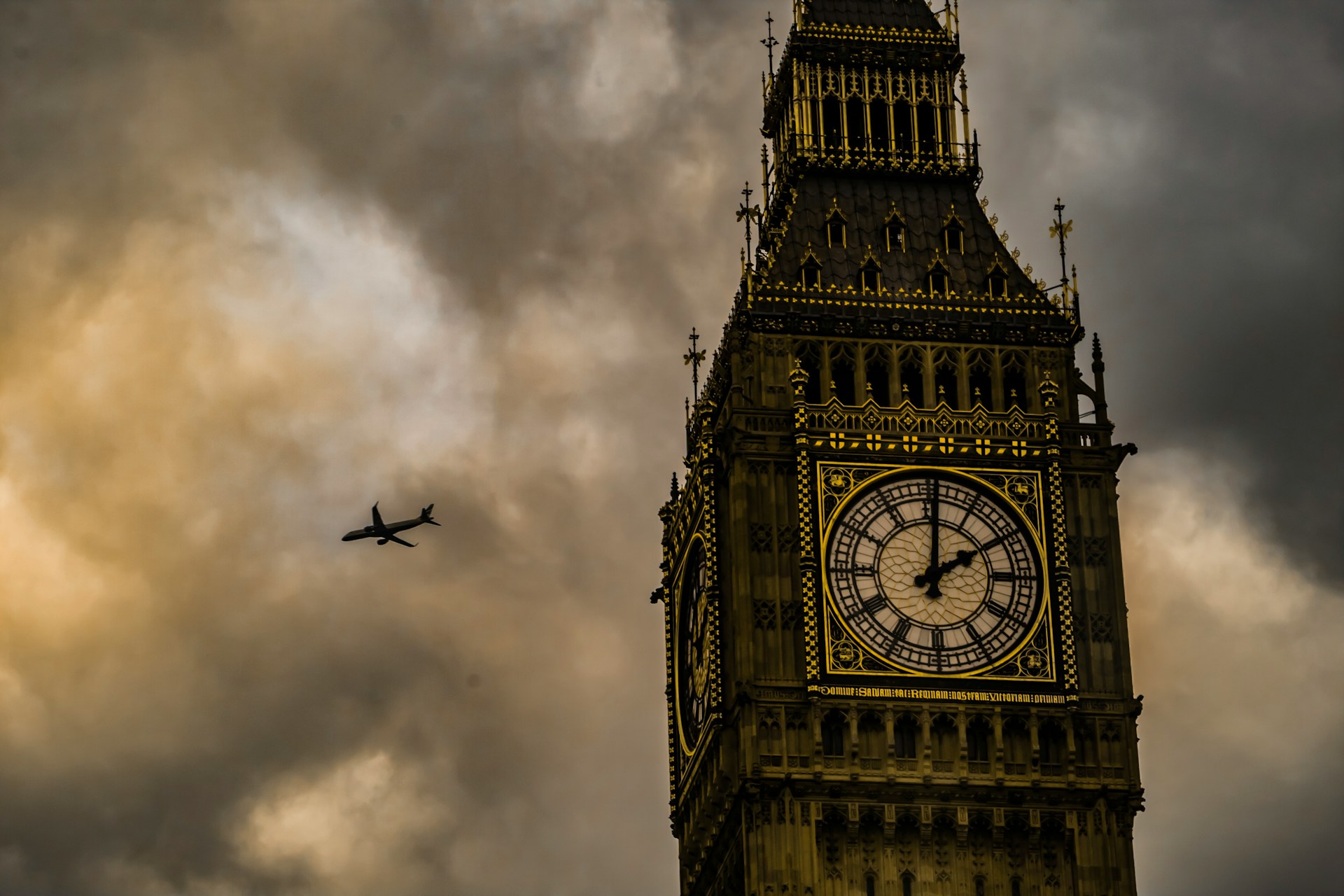
Your lungs filter 9,000 litres of air every single day.
But what's actually in it?
Most of us never stop to think about this. We breathe. We move through our day. The air is just... there. Invisible. Unremarkable.
Until it's not.
The 47 Invisible Pollutants
London's air contains at least 47 different pollutants, and most of them, you cannot see.
Nitrogen dioxide from cars and buses
Fine particulates (PM2.5) from heating systems and traffic
Ozone created when sunlight reacts with car emissions
Sulphur dioxide drifting in from continental Europe
Carbon monoxide from vehicle exhaust
Volatile organic compounds (VOCs) from paints, solvents, and industrial processes
On a clear blue day, you assume the air is clean. That assumption is wrong.
Visible pollution, smog you can see, is actually rare in modern London. What's far more common is invisible pollution. It fills your lungs. It reaches your bloodstream. And you have no idea it's there.
The Numbers That Matter
A single commute in central London can expose you to PM2.5 levels that exceed WHO guidelines by 40% on bad air days.
Think about that. One journey to work. Four decades above what the World Health Organization considers safe.
If you commute 5 days a week, that's 260 days a year of elevated exposure.
Over a lifetime, that compounds.
Why You Can't See It
This is the critical distinction: visibility is not an indicator of safety.
Clear air can be dangerously polluted. Hazy air can actually be less polluted than it appears (sometimes it's just moisture).
Your eyes are the worst tool for measuring air quality. You need data.
What Changes When You Start Tracking
Here's what's interesting: the moment you start measuring your air quality, patterns emerge.
Morning vs. Evening: Pollution levels are lowest in early morning (6-7am) and begin climbing as rush hour traffic starts. By 8-9am, they've spiked dramatically. They remain elevated through the afternoon and only begin dropping around 7-8pm when traffic eases.
Weather Matters: Rainy days are significantly cleaner than dry ones. Wind disperses pollution. High-pressure systems trap it. When you see a forecast for rain, you're also seeing a day with cleaner air.
Location Differences: Not all of London has the same air quality. A run along the Thames riverside has different pollution levels than a run down Tottenham Court Road. Residential areas differ from congested districts. Your postcode matters.
Weekday vs. Weekend: Weekends have consistently lower pollution than weekdays because there's less traffic, less heating demand, and fewer industrial operations.
Once you're aware of these patterns, you can work with them instead of against them.
Knowledge Changes Behaviour
Here's the paradox: learning about air pollution doesn't make you feel helpless. It makes you feel empowered.
When you know the data, you can make better choices:
You choose your commute time strategically
You pick routes that have cleaner air
You time your exercise around pollution peaks
You open your windows at optimal times
You understand why certain days feel harder to breathe
You're not restricted. You're informed.
What You Should Do Now
Start tracking your air quality. Not to panic. Not to obsess. But to understand.
Download an app. Check the AQI (Air Quality Index) for your area. Notice the patterns. See how it correlates with how you feel.
Once you have data, you can make decisions instead of guesses.
The air around you isn't mysterious. It's measurable. And measurement changes everything.
Learn more: Use PurerAir to track real-time air quality in your area and understand what you're breathing.
Latest Insights


Be Part Of The Change
Get The Sensor
We’re giving back to the community back contributing 30% of our revenue supports research initiatives; 15% allocated for token buyback and burning to enhance value; and 5% funds grants for outstanding research reports.