Insights
The VOCs You're Wearing: How Sunscreen, DEET, and Personal Care Products Affect Indoor Air
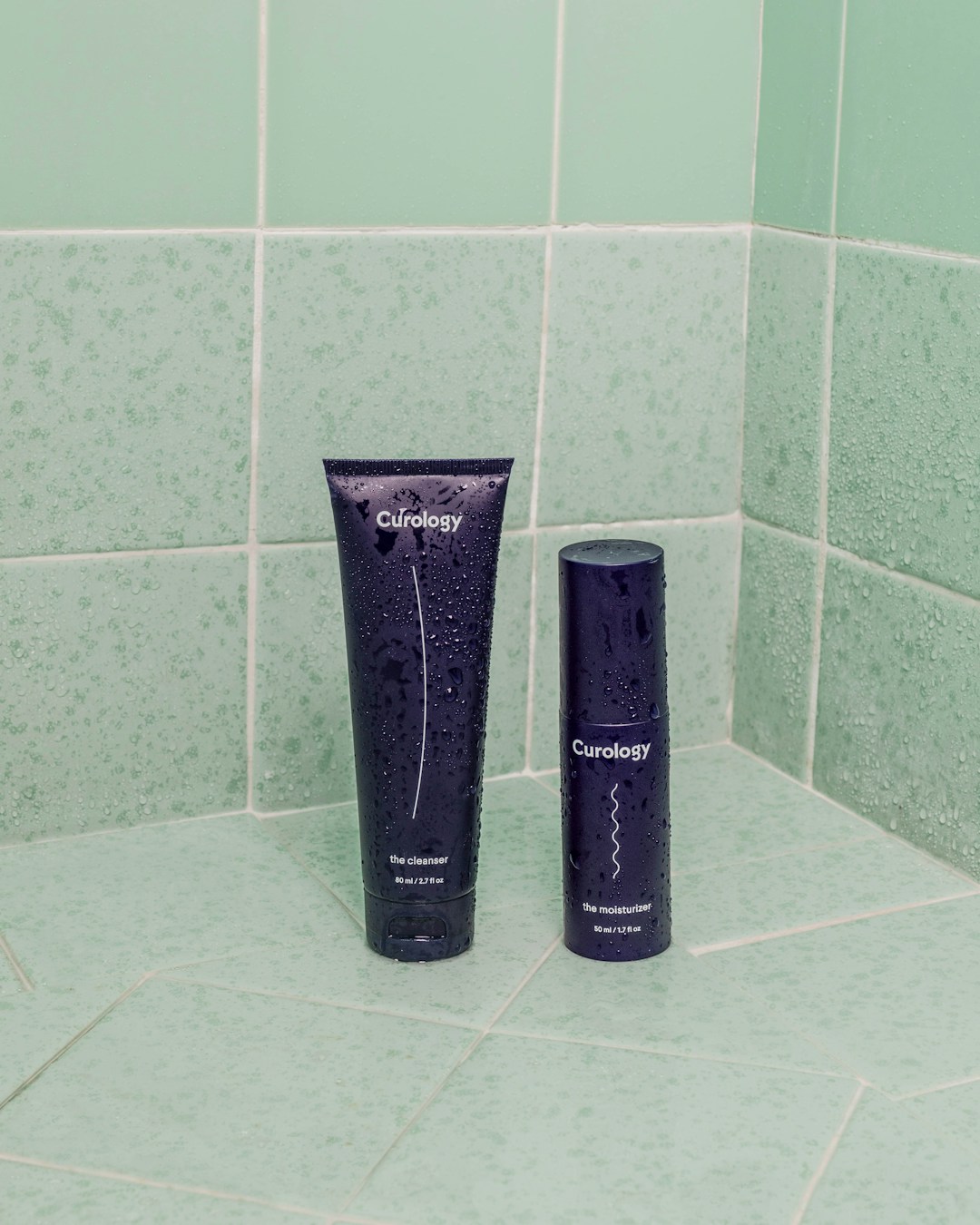
VOCs (volatile organic compounds) are best known as products of combustion and industrial processes. What's less widely appreciated is that a significant source of VOC exposure for many people is entirely personal: the sprays, creams, and chemical formulations applied directly to the body.
In summer, when sunscreen and insect repellent use peaks and products are applied more frequently, the VOC contribution from personal care products becomes meaningful, particularly indoors, where ventilation is lower and products are applied in confined spaces like bathrooms.
What makes personal care products VOC sources
VOCs are defined by their vapour pressure: they evaporate readily at room temperature. Many cosmetic and personal care ingredients meet this definition, including fragrance compounds, solvents used as delivery vehicles, propellants in aerosol formulations, and active ingredients like DEET (N,N-diethyl-meta-toluamide, used in insect repellents).
When you spray sunscreen or insect repellent in an enclosed space, the propellant and active ingredients are dispersed as fine aerosols and vapours that fill the room. The UK Parliament POST briefing on indoor air quality identifies personal care products, alongside cleaning products and building materials, as meaningful contributors to indoor VOC concentrations, a category frequently overlooked in public discussions of air quality.
DEET specifically
DEET is the active ingredient in most UK insect repellents and one of the most-used chemical compounds in summer. It's effective, extensively safety-tested, and recommended by health bodies for protection against mosquitoes in high-risk areas.
It is also a VOC with a measured vapour pressure that causes it to evaporate from skin over time, and that's partly how it works as a repellent. Indoor application in small, poorly-ventilated spaces creates a transient spike in DEET vapour concentration that dissipates quickly with ventilation but is detectable on VOC sensors for 15-30 minutes after application. For most people, this is not a health concern: the concentrations involved are well below toxicological thresholds. But for air quality monitoring users who notice unexplained VOC spikes, personal care products are often the overlooked culprit.
Aerosol sunscreen and propellants
The aerosol propellants in spray sunscreens (typically isobutane, butane, or propane) are highly volatile and show up clearly on broad-spectrum VOC sensors. They are not classified as harmful at the concentrations generated by personal use, but they do produce a measurable spike in total VOC readings that can last several minutes.
This matters primarily for data interpretation: if you're monitoring indoor VOC levels and see an unexplained spike in a bedroom or bathroom on a summer morning, aerosol sunscreen or DEET spray is a plausible cause before the more concerning sources (cleaning products, off-gassing furniture, paint) are considered.
Fragrance as a VOC category
Fragrances (in perfumes, body sprays, and scented sunscreens) are complex VOC mixtures that have been studied as indoor air quality contributors in their own right. The fragrance compounds limonene and linalool, which appear in a wide range of products, react with indoor ozone to produce secondary pollutants including formaldehyde and ultrafine particles. The WHO's household air pollution guidance highlights secondary indoor chemistry as an underappreciated dimension of total indoor air quality exposure.
In summer, when both indoor ozone (from ventilation with ozone-laden outdoor air) and fragrance use are elevated, this secondary formation pathway becomes slightly more active. The concentrations involved are generally low, but they represent a class of indoor chemistry that most air quality discussions don't address.
The practical takeaway
Apply aerosol products in ventilated spaces, or open a window during and after application. Allow the bathroom to air out before spending extended time in it. These are low-friction, high-return adjustments.
More importantly, if you're using a VOC sensor as part of your air quality monitoring setup (such as the PurerAir sensor, which measures VOCs alongside PM2.5, PM10, and CO2) personal care products are the explanation for many unexplained morning spikes. Once you recognise the pattern, the data becomes more informative rather than more alarming.
FAQs
Do personal care products actually affect indoor air quality?
Yes, measurably. Aerosol sprays (sunscreen, deodorant, hairspray, insect repellent) contain propellants and active ingredients that are volatile organic compounds. When sprayed in an enclosed space like a bathroom, they produce a detectable spike in total VOC readings that typically lasts 15-30 minutes. The UK Parliament POST briefing on indoor air quality identifies personal care products, alongside cleaning products and building materials, as meaningful contributors to indoor VOC concentrations. In summer, when sunscreen and DEET use peaks, this effect is more pronounced.
Is DEET dangerous to breathe indoors?
At the concentrations generated by personal use, DEET is not considered a significant health hazard. DEET is a VOC that evaporates from skin over time, and that's partly how it functions as a repellent. Indoor application in a small, poorly ventilated space creates a transient spike in DEET vapour that dissipates quickly with ventilation. The concentrations involved are well below toxicological thresholds for healthy adults. The practical concern is data interpretation: unexplained VOC spikes on your air quality monitor in the morning are often from DEET or aerosol sunscreen rather than a more concerning source.
Why does aerosol sunscreen show up on a VOC sensor?
Aerosol sunscreen propellants (typically isobutane, butane, or propane) are highly volatile and register clearly on broad-spectrum VOC sensors. They are not harmful at personal-use concentrations, but they produce a clear spike in total VOC readings that lasts several minutes. This is worth knowing if you use a continuous air quality monitor: a consistent morning spike in a bedroom or bathroom is often attributable to aerosol sunscreen applied before leaving, not to a structural problem with the space.
What is the secondary chemistry risk from fragrances indoors?
Fragrance compounds such as limonene and linalool, present in a wide range of personal care products, react with indoor ozone to produce secondary pollutants including formaldehyde and ultrafine particles. In summer, when indoor ozone may be elevated due to ventilation with ozone-laden outdoor air, this secondary formation pathway becomes slightly more active. The WHO's household air pollution guidance identifies secondary indoor chemistry as an underappreciated dimension of total indoor air quality exposure. Concentrations from typical personal use are generally low, but the mechanism is real and becomes relevant at higher fragrance use combined with poor ventilation.
How can I reduce VOC spikes from personal care products at home?
Apply aerosol products in ventilated spaces: open a window during and after application, or apply in a well-ventilated bathroom rather than a sealed bedroom. Allow the space to air out for 10-15 minutes before spending extended time in it. This is especially relevant in summer when sunscreen and insect repellent use is daily. If you use a VOC sensor at home, these steps will visibly reduce your morning spike readings and help you baseline your home's air quality more accurately.
Latest Insights


Be Part Of The Change
Understand the next wave of environmental intelligence.
Download our free 20-page research brief on how new sensing technologies are changing the way we live, work and understand the environments around us.