Insights
The London Commuter’s Invisible Exposure: What You Breathe on the Way to Work
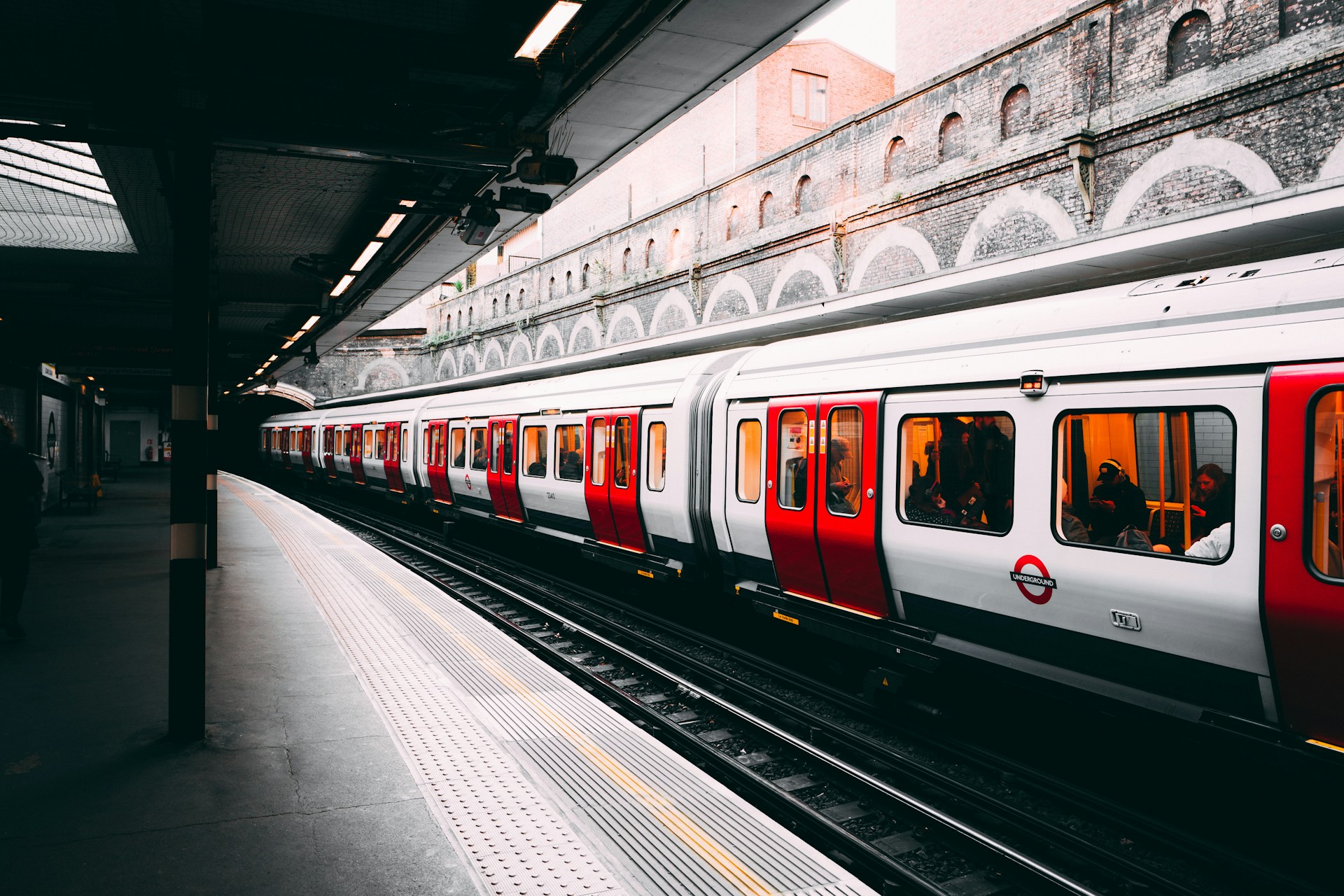
For millions of people in London, the daily commute is a familiar routine.
Step onto the platform. Board the train. Stand shoulder to shoulder. Scroll. Breathe.
What most commuters don’t realise is that their journey to work may be one of the highest environmental exposure windows of their entire day, not because of outdoor smog, but because of what’s happening underground and indoors.
This article breaks down what London commuters are actually exposed to during daily travel, why exposure varies so much, and why understanding personal exposure matters for long-term health.
The Underground Is a Unique Air Environment
The London Underground is unlike outdoor streets or modern office buildings. It is:
Enclosed
Heavily trafficked
Mechanically ventilated
Subject to friction, braking, and crowd density
These conditions create a distinct air profile, one that behaves very differently from outdoor air.
Particulate Matter: What’s in the Air Underground
What is PM?
Particulate Matter (PM) refers to microscopic particles suspended in the air.
The smallest, PM2.5 and PM1, can penetrate deep into the lungs and enter the bloodstream.
Why PM is elevated underground?
In Underground systems, PM often comes from brake wear, rail friction, train movement, and resuspended dust from platforms
Unlike outdoor pollution, this PM is generated inside the system and can accumulate, especially during peak hours.
Why it matters?
Short-term exposure contributes to respiratory irritation, inflammation, and fatigue. Long-term exposure is associated with increased cardiovascular and respiratory risk.
CO₂: The Hidden Indicator of Crowding and Ventilation
CO₂ itself is not toxic at commuting levels, but it is a powerful indicator of ventilation quality.
Why CO₂ rises on trains?
High passenger density
Limited air exchange during peak hours
Short station dwell times
It’s common for CO₂ levels to rise significantly in packed carriages, particularly during morning and evening rush hours.
How CO₂ affects commuters?
Elevated CO₂ is associated with:
Reduced cognitive performance
Headaches
Drowsiness
Reduced alertness
If you’ve ever arrived at work already feeling tired or foggy, poor ventilation during your commute may be part of the picture.
Noise: The Overlooked Stressor
Noise is rarely discussed as an air-quality issue, but it is a major environmental stressor.
Typical Underground noise sources
Train acceleration and braking
Screeching rails on curves
Station announcements
Crowded platforms
Sustained exposure to high noise levels can activate the stress response, increase cortisol, and disrupt nervous system regulation.
Even when you “get used to it,” your body still reacts.
Why Exposure Varies So Much Between Commutes?
Not all Tube journeys are equal.
Exposure changes based on:
Line design (depth, ventilation, age)
Time of day (peak vs off-peak)
Crowding levels
Platform location vs inside carriage
Journey length
Two people commuting the same distance, on different lines or at different times, can experience very different exposure profiles.
This is why city-level averages fail to reflect real-world experience.
From City Averages to Personal Exposure
Most air-quality discussions rely on outdoor monitoring stations and averaged data.
But commuters experience micro-environments (platforms, carriages, tunnels), that change minute by minute.
Understanding exposure requires:
Granular, real-time measurement
Context (where, when, how crowded)
Personal data, not just city averages
This shift, from ambient averages to personal exposure, is increasingly important in urban health research.
What Commuters Can Do (Practical Awareness, Not Fear)?
The goal is not to create anxiety, but awareness.
Simple steps include:
Noticing how different routes or times affect how you feel
Being mindful of ventilation and crowding
Recognising noise and air quality as health factors, not just annoyances
Tools that measure personal exposure help translate the invisible into something understandable and actionable, enabling better decisions over time.
Urban Mobility Is Also a Health Issue
Commuting is not just about getting from A to B.
It’s an environmental experience that interacts with your body every single day.
As cities rethink transport, productivity, and public health, personal exposure deserves far more attention than it currently receives.
The air you breathe on your way to work matters, even if you’ve never been told to think about it.
Related reading
Latest Insights


Be Part Of The Change
Understand the next wave of environmental intelligence.
Download our free 20-page research brief on how new sensing technologies are changing the way we live, work and understand the environments around us.