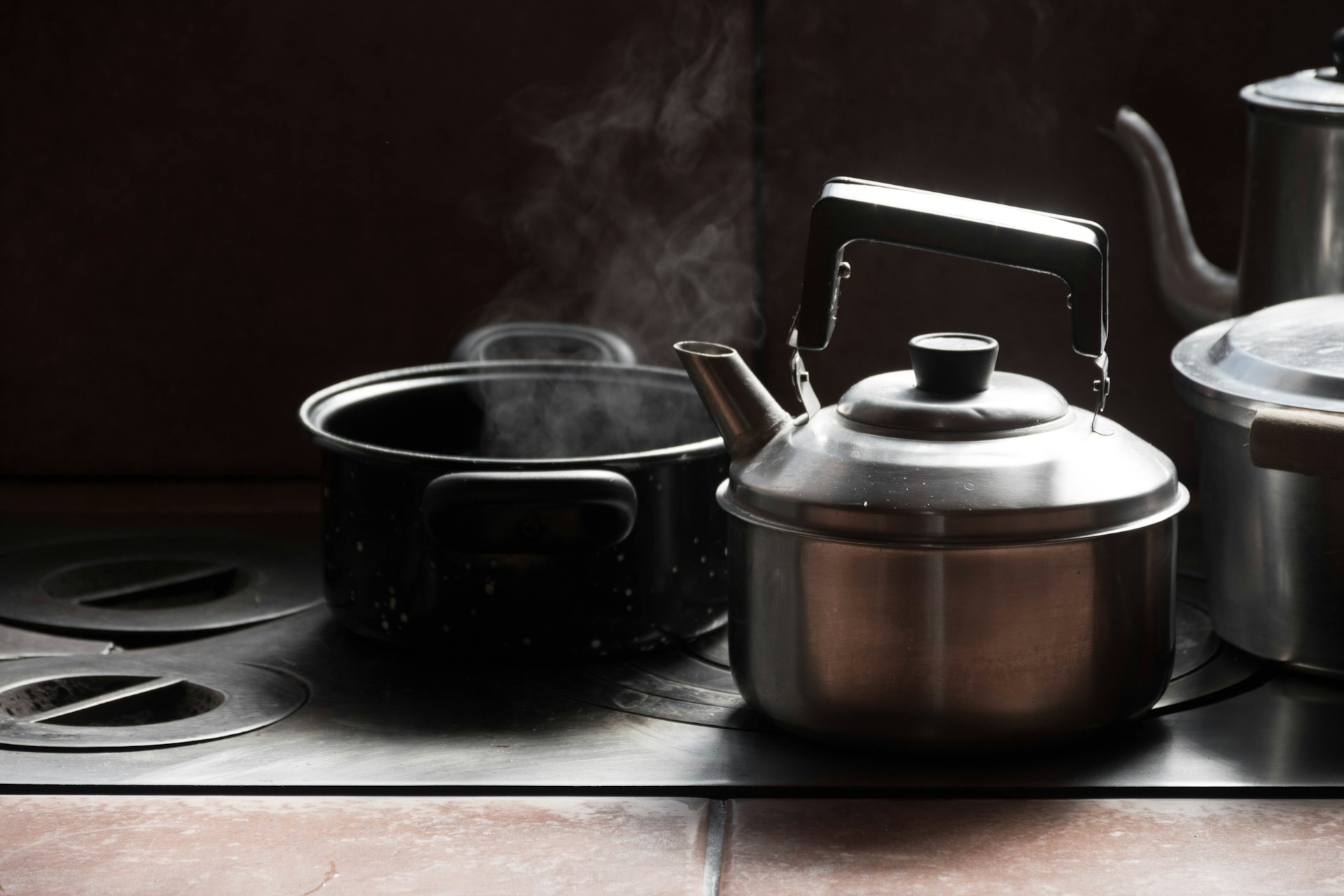
There’s a hidden truth about home cooking:
Your kitchen is a major indoor pollution hotspot, often more polluted than the busiest outdoor street.
From frying oil particles to VOCs released by cleaning products, cooking activities generate exposure levels that affect your lungs, sleep, allergies, and long-term health.
Here’s what you need to know.
Why Cooking Creates Huge Particle Spikes?
Frying & Searing
These methods generate PM1 and PM2.5, the smallest particles that stay in the air the longest and travel throughout your home.
Grilling Indoors
Produces smoke particles similar to outdoor BBQ levels.
Toasting & Baking
Even simple activities like toasting bread release fine particles.
Oil Type Matters
Some oils release more VOCs and fine particles when heated above their smoke point.
Gas Stoves: A Hidden Source of Indoor Emissions
Even when turned off, gas stoves can leak:
NO₂ (linked to respiratory irritation)
CO₂
VOCs
During cooking, the flame combustion increases particulate matter and chemicals in the air.
Children and people with asthma are especially sensitive.
Why Kitchen Air Spreads Throughout the Home?
Indoor airflow allows PM to move to:
Bedrooms
Living rooms
Hallways
Nurseries
Home offices
Because these particles are microscopic, they stay suspended for hours.
Without proper ventilation, you breathe residual pollutants long after dinner is done.
The Healthy Cooking Air Method (Practical Steps)
Step 1: Set Your Baseline
Know what clean air looks like in your home before you cook.
Step 2: Track Spikes in Real Time
Watch how your cooking style affects PM and VOCs.
Step 3: Ventilate Properly
Turn on exhaust fans early; create cross-windows; avoid recirculating-only fans.
Step 4: Let the Air Clear
Don’t turn off ventilation as soon as you're done, wait until PM drops back to baseline.
Step 5: Optimise Your Routine
Use lids, reduce oil smoke, clean stove areas, and preheat pans at reasonable temperatures.
Your data will show the difference.
How PurerAir Helps You Cook with Confidence
PurerAir’s portable, lab-calibrated sensor makes invisible cooking emissions visible, helping you:
Catch PM spikes instantly
Spot VOC increases from oils or sprays
Protect kids and sensitive individuals
Improve ventilation strategies
Compare cooking methods
Build healthier, cleaner routines in the kitchen
Knowledge is power, and in your kitchen, it’s also clean air.
Cooking Doesn’t Have to Mean Polluted Air
Cooking is a joy, but it doesn’t have to compromise your air quality.
With awareness, simple environmental adjustments, and real-time data, you can dramatically reduce exposure and make your home a healthier place.
Your kitchen is full of life. Your air should be too.
Related reading
Latest Insights


Be Part Of The Change
Understand the next wave of environmental intelligence.
Download our free 20-page research brief on how new sensing technologies are changing the way we live, work and understand the environments around us.